
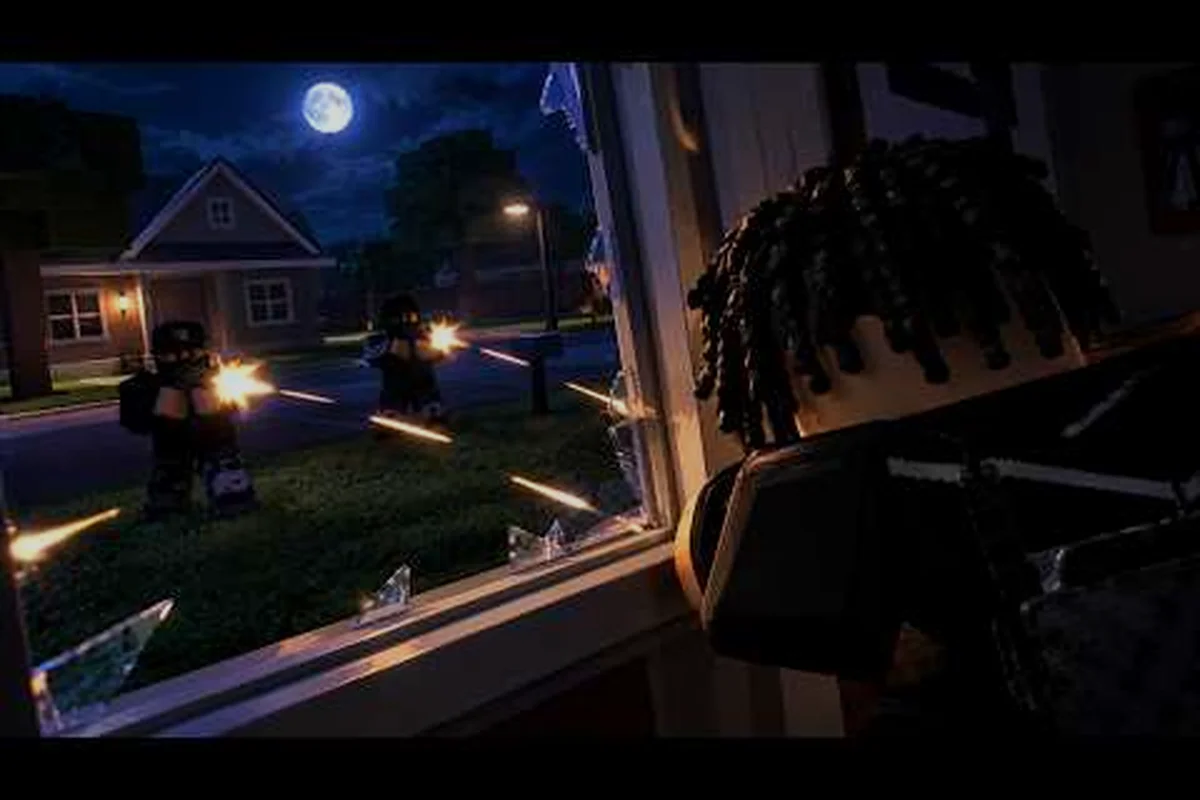
Most players who ask how to play better in REALISTIC HOME DEFENSE are already decent shots — what separates them from the winners is boring, repeatable house discipline. This essential guide breaks down the underrated habits that quietly decide every raid, from door angles to reload windows.
The difference between a defender who survives a three-wave push and one who dies on the first breach rarely comes down to aim. It comes down to whether they pre-angled the hallway, whether they reloaded behind cover instead of in the open, and whether they treated a closed door as a trap rather than an obstacle. Those habits are learnable, and this gameplay guide walks through them one at a time.
Why Fundamentals Beat Fancy Aim in REALISTIC HOME DEFENSE
Aim matters, but the realistic handling model punishes players who lean on flick shots. Weapon sway, recoil climb, and slower turn speed mean your first shot placement is worth more than your third. Players who consistently win exchanges are the ones who set up the shot before the enemy rounds the corner.
Community gameplay captures show this clearly. In Rlittle's REALISTIC HOME DEFENSE session, most kills come from holding a prepared angle rather than chasing sound. The defender rarely moves once the fight starts — they let the attacker walk into the sightline.
Here is how the core habits stack up in terms of impact, ranked by return on the time you actually invest. Pre-aiming a doorway sits at the top: it costs two seconds of setup but converts a coin-flip duel into a near-guaranteed trade, because your crosshair is already at head height when the attacker clears the frame. Reloading behind cover ranks just below it — a defender caught mid-magazine in the open is the single most common death in the mode, since weapon sway and recoil climb punish panic spraying. Holding an angle instead of pushing a sound beats both in mid-raid, while solo roaming actively hurts your survival odds.
| Habit | Impact on Survival | Difficulty to Learn | When It Pays Off |
|---|---|---|---|
| Pre-aiming doorways | Very high | Low | Every breach |
| Reloading behind cover | High | Low | After every firefight |
| Holding instead of pushing | High | Medium | Mid-raid |
| Sound discipline (walking) | Medium | Medium | Late waves |
| Crosshair height reset | Medium | Low | All engagements |
| Solo roaming | Negative | Low | Never in defense |
The pattern is obvious: the cheapest habits deliver the biggest returns. Pre-aiming a doorway costs you nothing but two seconds of setup, yet it converts a coin-flip duel into a near-guaranteed trade in your favor — your crosshair sits at head height before the attacker clears the frame, so the first-shot placement that weapon sway and recoil climb make so decisive is already locked in. Skip that setup and you are flicking against slower turn speed while the attacker's silhouette is still resolving, which is exactly the exchange the realistic handling model punishes.
Pre-aiming is not camping. It is choosing where the fight happens. Defenders who pick the room, the angle, and the distance before contact win far more often than those who react to contact. That single shift in mindset is the foundation of playing better, and it is why this essential guide leads with positioning rather than loadouts.
The Underrated Art of Angle Discipline
Angle discipline means never exposing more of your body than necessary. In a realistic handling game, peeking wide around a corner gives the attacker a full silhouette to shoot, while a tight peek shows only a shoulder and a muzzle. The tighter your angle, the longer your opponent needs to adjust — and that extra half-second is often the whole fight.
Near-Peek Versus Wide-Swing
A near-peek keeps your body behind the wall and only your weapon clears the corner. A wide-swing throws your whole model into the open. Against a prepared defender, the wide-swing loses almost every time because the defender's crosshair is already parked on the corner.
| Peek Type | Exposure | Best Use | Risk |
|---|---|---|---|
| Near-peek | Minimal | Holding a hallway | Low damage output |
| Wide-swing | Full body | Flanking a distracted enemy | High |
| Jiggle-peek | Brief | Baiting a shot | Requires timing |
| Shoulder-peek | Partial | Gathering info | Medium |
Use near-peeks when you expect contact and wide-swings only when you know the enemy is reloading or facing away. The movement guide covers the crouch and lean inputs that make tight peeks reliable, and practicing those inputs on an empty server builds the muscle memory before a real raid.
Crosshair Placement at Head Height
Most players let their crosshair drift toward the floor while they walk. When contact happens, they have to drag upward, and the realistic turn speed makes that drag slow. Keep the reticle at head height on the most likely doorway and you remove that drag entirely.
Reset your crosshair after every kill. The instinct after a firefight is to relax the aim, but the next attacker is usually already moving. A quick flick back to head height costs a fraction of a second and saves you from the most common death in the game.
Reload Timing and Ammo Management That Wins Fights
Reloading in the open is the single most common avoidable death. The realistic reload animation locks you out of firing for a meaningful window, and any attacker who hears the click knows exactly when to push. Treat the reload as a movement action, not a stationary one.
The rule is simple: never reload without cover between you and the nearest entrance. If no cover exists, back into a room, break line of sight, then reload. Players who internalize this stop dying mid-magazine and start surviving multi-wave pushes.
When a Partial Reload Costs You the Fight
Partial reloads are tempting but risky, and the math explains why: a half-empty 30-round mag still holds 15 rounds, but the 2–3 second reload animation leaves you unable to return fire while a threat closes the distance from a hallway corner to your position. Topping off a half-full magazine during a quiet moment behind hard cover is fine; doing it during active contact is a death sentence, because the reload window is exactly when a flanker clears the doorway. Read the situation before you commit — if you still have rounds and the enemy is close, repositioning beats a partial mag every time.
-
Top off during confirmed downtime, behind hard cover, with a teammate watching the door.
-
Hold fire and reposition if you still have rounds and the enemy is close — a partial mag beats an empty one.
-
Reload early if you are about to rotate through a chokepoint where a fight is likely.
-
Never reload while standing in a doorway, hallway, or any space with two exits.
Ammo discipline also means counting your shots. Spraying a full magazine into a wall because you heard a noise wastes your reload window at the worst moment. Fire in controlled bursts, confirm the hit, then decide whether the fight is over before you touch the reload key.
Positioning: How to Play Better Without Chasing Fights
The core answer to how to play better in REALISTIC HOME DEFENSE is to stop chasing. Defenders hold ground; attackers have to come to you. Every meter you walk toward the enemy is a meter of cover you give up, and the realistic handling model does not reward aggression the way arcade shooters do.
Pick a room with one entrance and a hard corner. Stand where the doorway is in your sightline but your body is behind the wall. Let the attacker commit, then punish the commitment. This is the entire defensive loop, and it works at every skill level.
Reading Sound Cues
Footsteps are the most reliable information in the game, and the footstep system rewards you for knowing its volume tiers. Sprinting is loud and telegraphs your position from several rooms away; walking is nearly silent, which is why it should be your default movement on defense. But the nuance is that even walking produces a faint shuffle that a defender holding a tight angle can catch through a thin wall or open doorway — so the attacker's walk is not truly invisible, just quieter than a sprint. On defense, walk almost everywhere, pause at chokepoints to listen for the tell-tale reload click or door interaction, and let the attackers give themselves away first.
| Sound | What It Tells You | Your Response |
|---|---|---|
| Sprinting footsteps | Enemy is moving fast, likely not aiming | Pre-aim the approach |
| Slow footsteps | Enemy is cautious, checking angles | Hold tight, do not reposition |
| Reload click | Enemy is vulnerable for a window | Push or pre-fire the corner |
| Door interaction | Enemy is about to enter | Aim at the door frame, not the center |
Sound discipline cuts both ways. If you can hear them, they can hear you. Walking during rotations keeps your position hidden and forces the attacker to guess which room you are holding — and a guessing attacker walks into your pre-aim.
Rotating Without Abandoning Your Angle
When a position gets compromised, rotate early rather than late. The moment you hear footsteps closing on your room from two directions, the angle is dead. Slip out through the back, reset in the next room, and re-establish the same one-entrance setup.
Rotating is not retreating. It is trading a compromised angle for a fresh one, and it keeps the attacker guessing. The tactics guide breaks down multi-room rotations in more detail, including how to chain rooms so you are never caught in a hallway between positions.
Making Consistent Defense a Repeatable Routine
Consistency is what separates players who occasionally have a good raid from players who win most of them. A routine removes decision fatigue: you already know where you stand, where you aim, and when you reload, so your attention stays on the actual fight.
A practical routine looks like this: treat each defensive hold as a repeatable checklist rather than an improvised scramble. Before the first wave, confirm your hold room's sightlines and the single doorway or hallway you'll pre-aim at head height, so your crosshair is already on the threat line when the first hostile steps through. Commit to walking speed while repositioning; sprinting around a corner in realistic home defense leaves you unable to fire for a beat and broadcasts your position through footstep audio. Reload behind hard cover on a fixed trigger rather than mid-fight, and reset crosshair height to head level after every engagement so the next peek starts from a ready stance instead of the floor.
-
Pick your hold room before the first wave and commit to it.
-
Pre-aim the entrance at head height and check your cover.
-
Walk, do not sprint, whenever you reposition.
-
Reload only behind cover, every single time.
-
Rotate early when a second approach opens up.
-
Reset crosshair height after every engagement.
Run this routine for a handful of raids and it becomes automatic. The beginner guide is a good companion read if any of these steps still feel unfamiliar, since it covers the base controls and first-raid flow that this routine builds on.
Practicing Habits on Low-Pressure Waves
Early waves are the cheapest practice you will ever get. Use them to rehearse the routine rather than to farm kills. Deliberately walk instead of sprint, deliberately reload behind cover, deliberately reset your aim after each kill. By the time the pressure ramps up, the habits are already wired in.
Long-form footage like Votex's REALISTIC HOME DEFENSE gameplay is useful for spotting these habits in action — watch how experienced defenders barely move during a fight and how rarely they reload in the open. Copying that restraint is faster than learning it the hard way.
Common Mistakes That Cost Defenders the Raid
Most losses trace back to a short list of repeatable errors rather than aim or reflexes. In realistic home defense shooters, the raid clock and the AI's sound-driven pathing punish process mistakes long before they punish raw aim: a defender who wide-swings a hallway corner at full sprint is already dead to a pre-aimed crosshair, no matter how fast the flick. Because these failures are defaults rather than skill gaps, fixing them is less about learning new mechanics and more about deleting the habits you fall back on under pressure — and you only need to delete one at a time to see the difference on the scoreboard.
-
Sprinting indoors — loud, slow to stop, and impossible to aim from. Walk.
-
Wide-swinging every corner — exposes your full body to a prepared crosshair.
-
Reloading after every kill — the second attacker arrives during your animation.
-
Abandoning a good angle to chase a sound — you trade cover for a guess.
-
Standing in doorways — the worst of both worlds: exposed and predictable.
-
Ignoring the second entrance — every hold room needs a plan for the back door.
Each of these is a habit, not a skill gap, which means each one is fixable in a single session if you pay attention to it. Pick one mistake per raid and consciously avoid it until it stops being your default.
Frequently Asked Questions
How do I play better in REALISTIC HOME DEFENSE without improving my aim?
Focus on positioning and reload discipline instead. Pre-aim the doorway at head height, hold a one-entrance room, and only reload behind hard cover. These habits convert coin-flip duels into favorable trades, so your existing aim gets far more chances to land first.
What are the most underrated tips for surviving later waves?
Walk instead of sprint so attackers cannot track you by sound, rotate early when a second approach opens, and reset your crosshair after every kill. Late waves punish players who stay in a compromised angle too long, so trading a dead position for a fresh one is often the winning move.
Is it better to hold one room or roam the house?
Holding is stronger for defenders because attackers must come to you. Pick a room with one entrance and a hard corner, then let the enemy commit into your sightline. Roaming gives up cover and turns every fight into a reaction test, which the realistic handling model punishes.
How often should I reload during a raid?
Only when you have cover between you and the nearest entrance, and preferably during confirmed downtime. Topping off a half-full magazine in the open is how most defenders die mid-fight, so treat the reload as a movement action rather than something you do while standing still.
Does crouching help in tight house fights?
Crouching shrinks your profile and stabilizes your aim, which helps when holding a long hallway or a narrow doorway. It hurts your mobility, though, so avoid crouching in open rooms or when you may need to rotate quickly. Use it as a holding tool, not a default stance.
Winning in REALISTIC HOME DEFENSE comes down to a handful of unglamorous habits repeated until they are automatic: pre-aim the entrance, hold your angle, walk instead of sprint, and reload only behind cover. None of these require better reflexes, and all of them compound over a raid. Pick one habit from this essential guide, run it for a few waves, and let the results speak before you add the next.